Primary Indication
Drug-Resistant Hypertension
Atherosclerosis is now recognized as a chronic inflammatory condition, not simply a lipid storage disease, in which cells from both innate and adaptive immunity are involved in its pathogenesis. This inflammation induces microcalcification, leading to the formation of arterial plaques, which may go undetected for many years, ultimately resulting in severe or fatal cardiovascular events, including hypertension / drug-resistant hypertension, and CAC deposition.
African Americans and Hispanics are the 2 largest ethnicities for atherosclerosis. The diabetic patient space is significant. Overall, approximately 2 in 3 diabetics (39 million diagnosed diabetics) are hypertensive.
A standard target BP of 130/80 mm Hg is the target in patients with diabetes mellitus who have high-risk clinical features, including one or more risk factors such as CVD, subclinical organ damage, and stage 3 or worse chronic kidney disease.
Approx. 30% of hypertensive diabetic adults have apparent treatment-resistant hypertension. (Ref.: RESEARCH — JULY 7, 2026, AstraZeneca’s Baxfendy set for blockbuster sales after hypertension approval.)
In the US, apparent treatment-resistant hypertension (aTRH) affects approximately 12% to nearly 20% of adults1 — defined as currently taking 3-4 medications for high blood pressure (specified as: > 140 mmHg / > 90 mmHg for most adults and > 130/80 for diabetic adults or patients with chronic kidney disease). This translates to about 10.3 million potential treatment-resistant patients.
The rate of true resistant hypertension drops to about 5% of all hypertensive patients (when considering medication non-adherence and “white coat” effects) — A significant number of patients (millions) — blockbuster potential.
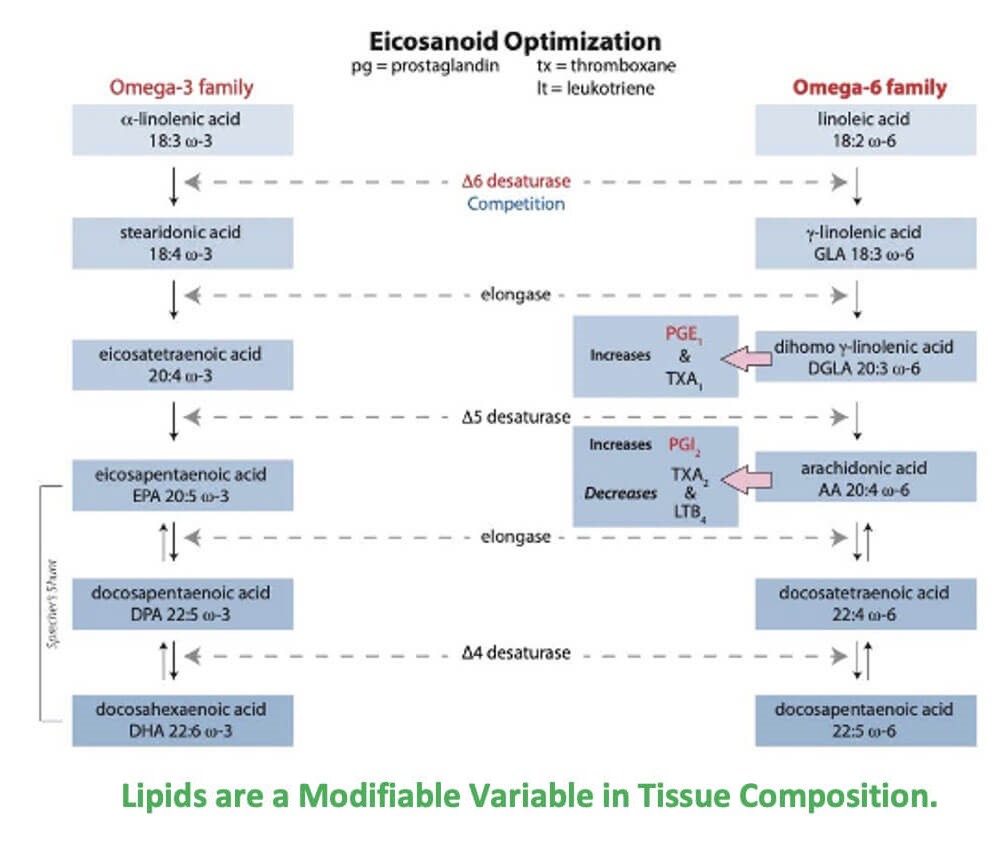
Peskin Pharmaceuticals proposes an IND for a promising new 1st-in-class drug that uniquely targets a root cause of inflammation. The delta-6 metabolic pathway is often significantly impaired in these patients and leads to decreased output of the body’s powerful anti-inflammatory PGE1. Uniquely, PSK003 doesn’t block or impede. PSK003 naturally maximizes the body’s output of PGE1. This allows for few, if any, adverse effects, leading to increased compliance / increased sales.
Because of PSK003’s status as a Medical Food, we uniquely have anecdotal, highly promising results for PSK003’s effectiveness IN HUMANS in reducing blood pressure, both as measured by patients using blood cuff measurement and in physician offices using Medicore’s FDA-cleared stiff artery evaluation software.
A 4-pt drop (P<=0.05) in systolic BP has been accepted by the FDA for a new drug (i.e., Tryvio). Therefore, we are highly confident that PSK003 will acceptably reduce blood pressure across diverse patient groups, including diabetics and many drug-resistant hypertensives.